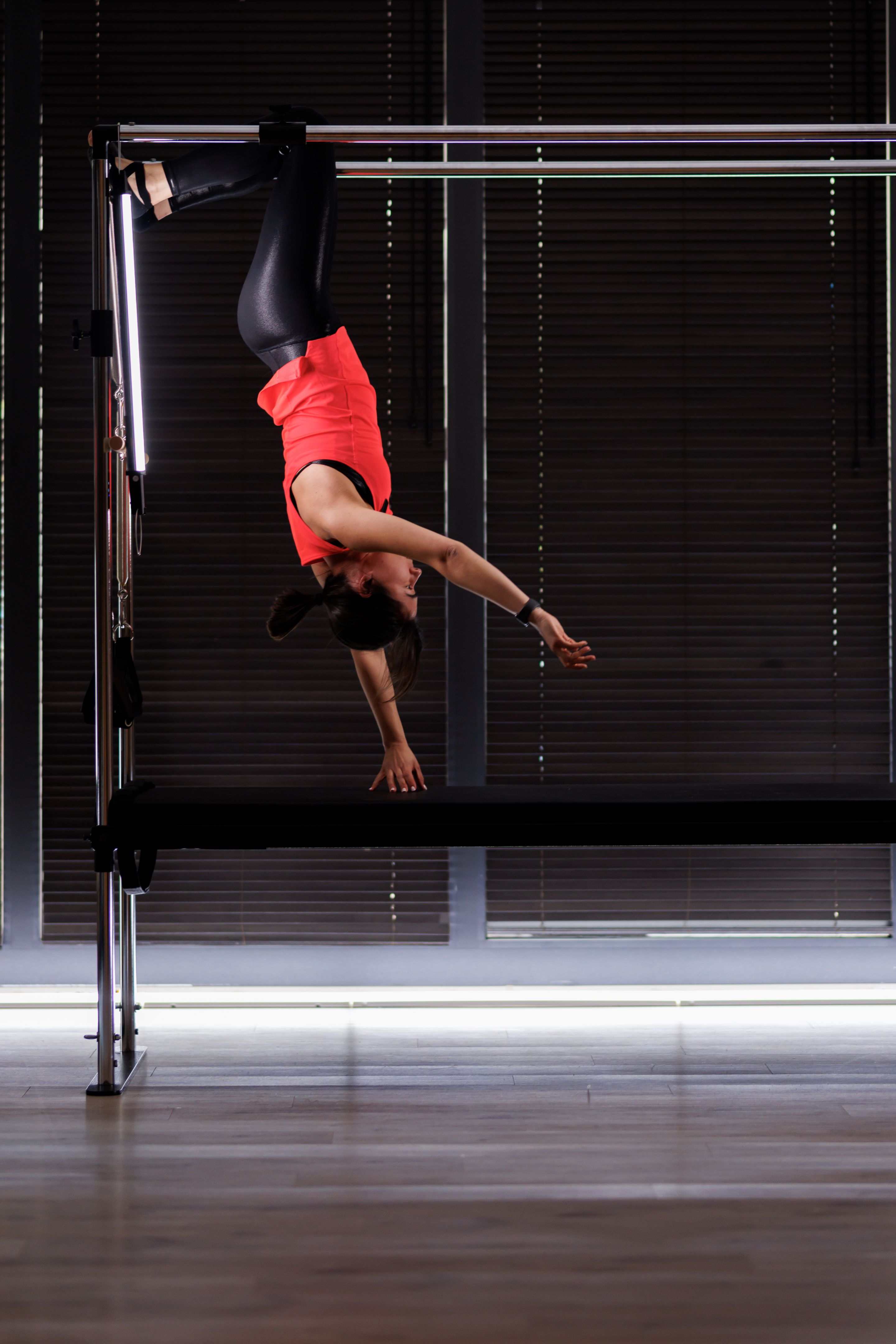
Join the Inversion Mastery Workshop
Understanding Inversions
Inversions are a fascinating aspect of the Pilates programming that challenge both the body and mind. These poses, which involve placing the heart above the head, offer a unique way to build strength, balance, and focus. Practicing inversions can seem daunting at first, but with patience and dedication, they can become a rewarding part of your routine. Starting the inversion sessions with professional lead trainers is essential.
Benefits of Practicing Inversions
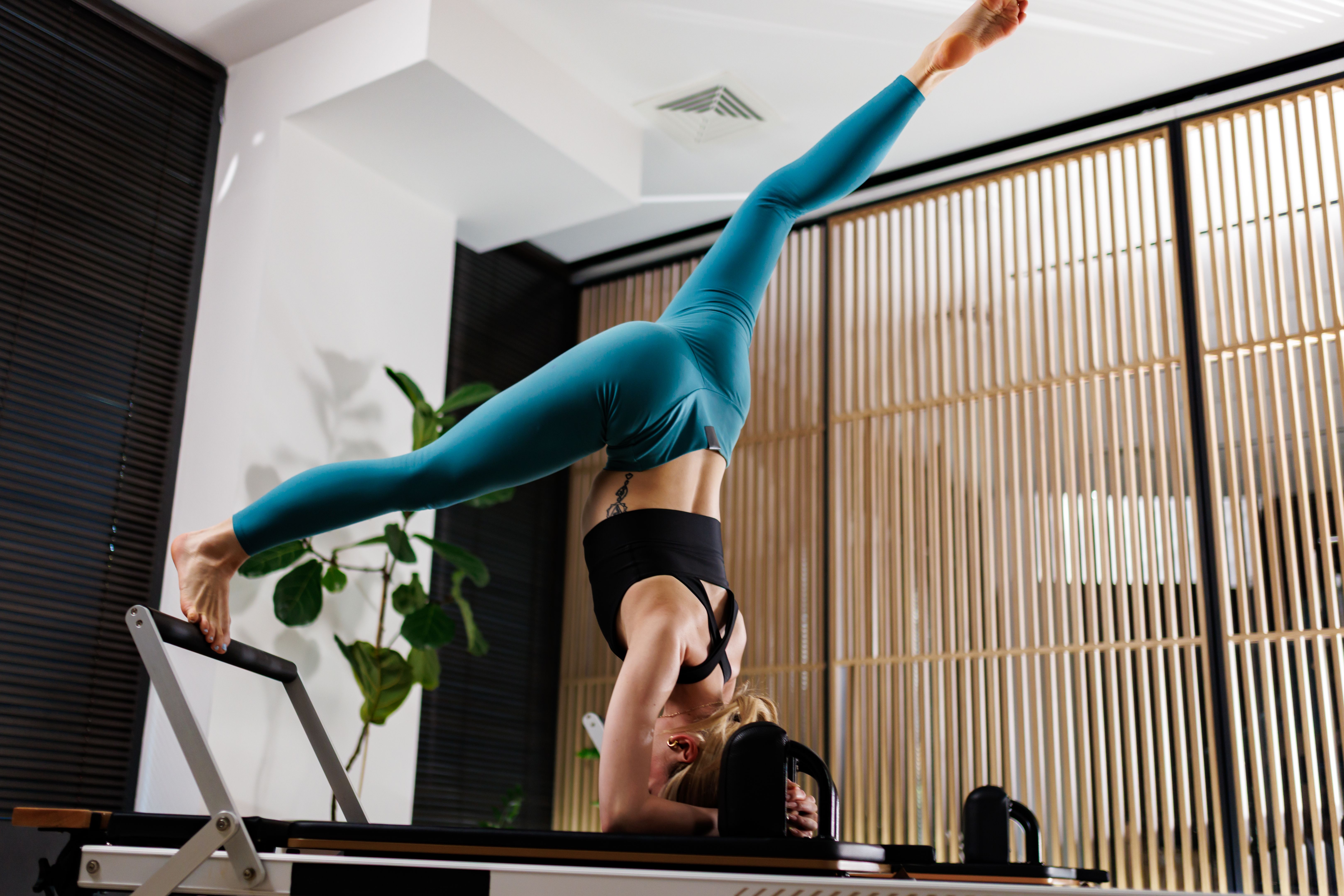
Inversions are known for their numerous benefits. They help improve circulation, increase core strength, and enhance mental clarity. By regularly incorporating these poses into your practice, you can experience a boost in confidence and a sense of accomplishment. Additionally, inversions can help alleviate stress and promote relaxation.
Some of the key benefits include:
- Improved Balance: Inversions require a fine-tuned sense of balance, which can translate into better coordination in daily activities.
- Enhanced Focus: Concentrating on maintaining an inversion can sharpen your mental focus and mindfulness.
- Core Strength: These poses engage your core muscles, leading to improved strength and stability.
Preparing for Inversions
Before attempting inversions, it's crucial to prepare your body with proper warm-ups. Focus on exercises that build upper-body strength and flexibility. Practices such as planks, downward dogs, and shoulder stretches are ideal for preparing your body for the demands of inversion poses.
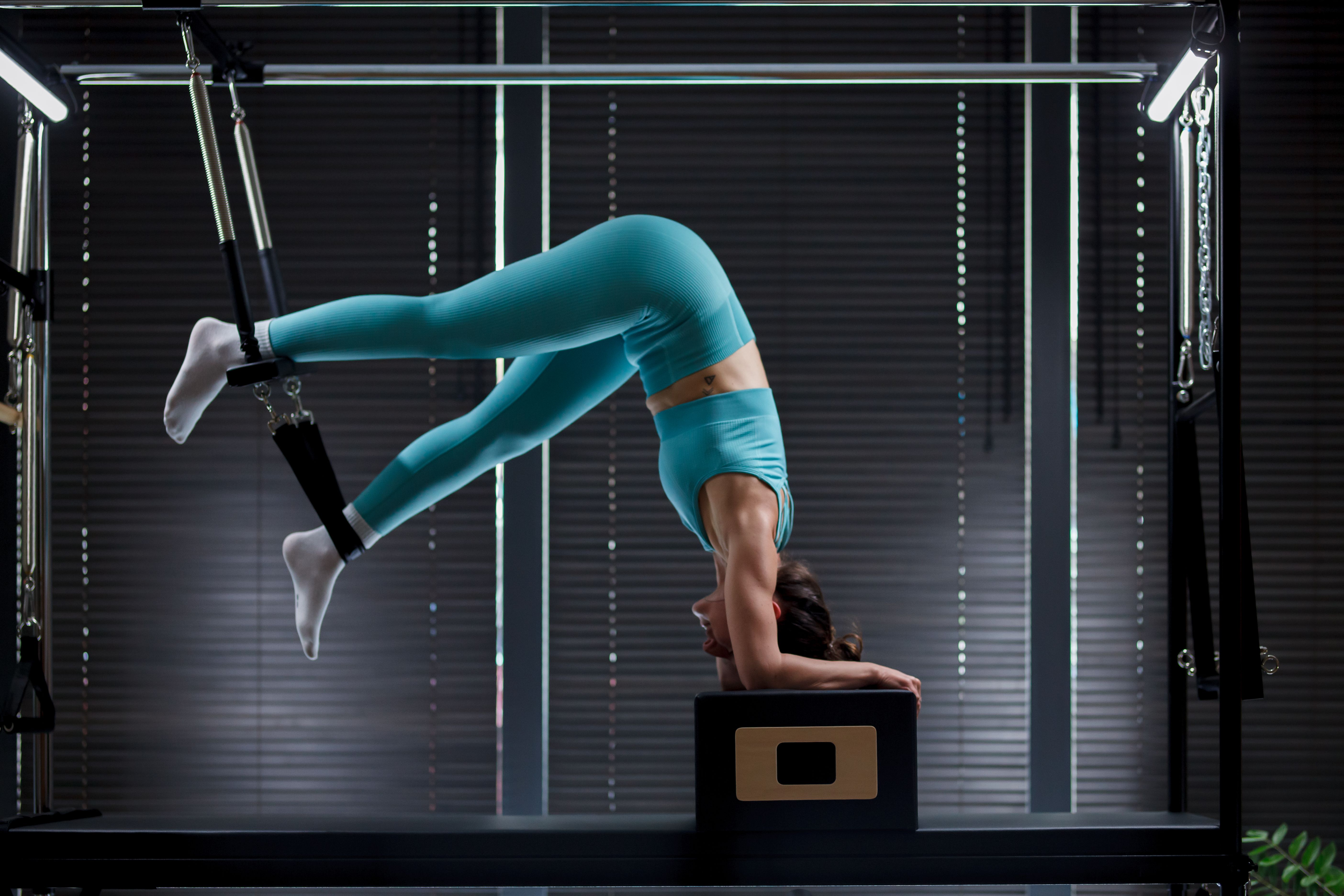
Additionally, cultivating a strong foundation is essential. Work on enhancing your core strength and stability through exercises like boat pose and core drills. This will provide the necessary support and control when transitioning into inversions.
Common Inversion Techniques
There are several popular inversion poses to explore, each offering unique benefits and challenges. Some of the most common include:
- Headstand (Sirsasana): Often referred to as the "king of yoga poses," headstands require balance and core strength.
- Handstand (Adho Mukha Vrksasana): A more advanced pose that tests your strength and balance.
- Shoulder Stand (Sarvangasana): Known for its calming effects, this pose is great for beginners.
Safety Tips for Inversions
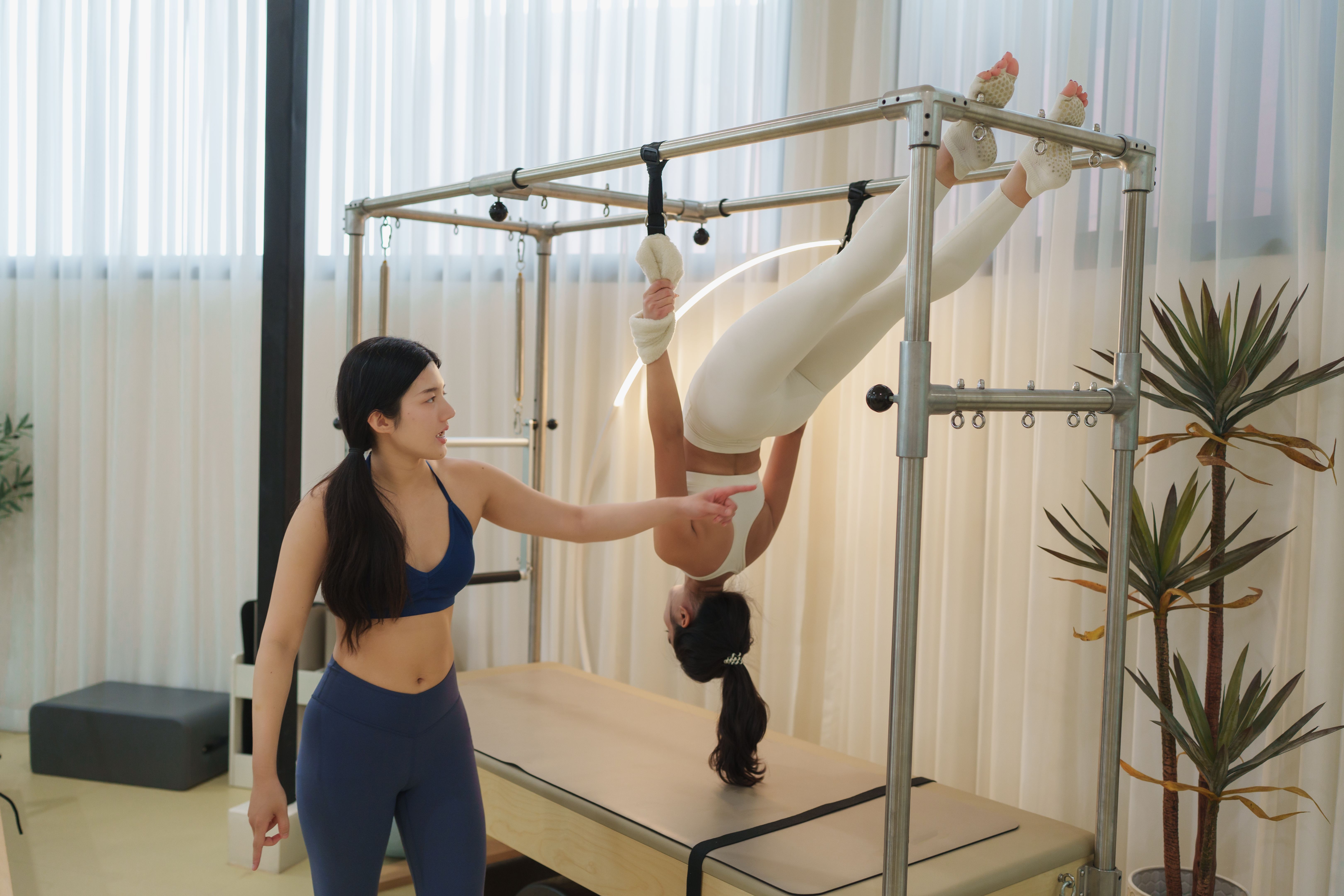
Safety should be your top priority when practicing inversions. Always use a mat and, if possible, practice near a wall for added support. Listen to your body and avoid pushing beyond your limits to prevent injury. If you're new to inversions, consider working with an instructor to ensure proper form and technique.
Be mindful of your neck and spine alignment, and never force yourself into a pose. It's essential to maintain controlled breathing throughout the practice to stay focused and relaxed.
Conclusion: Embrace the Challenge
Mastering inversions is a journey that requires patience, practice, and perseverance. Embrace the challenge and enjoy the process of discovering new capabilities within yourself. Whether you're a beginner or an experienced practitioner, inversions offer a rewarding way to enhance your yoga practice and achieve new heights in physical and mental well-being.